Category: Depression & Anxiety

  • Depression vs. Sadness β€” What Is the Difference?

    It is one of the most common questions Dr. Pavan Sonar hears in his clinic: “But doctor, isn’t everyone sad sometimes? How do I know if what I’m feeling is actually depression?” It is a fair and important question β€” and the answer can genuinely change the course of someone’s life.

    Sadness is a universal human emotion. Depression is a medical condition. The distinction matters enormously β€” not to dismiss anyone’s pain, but because depression requires professional treatment while sadness, though real and difficult, typically resolves on its own.

    What Is Sadness?

    Sadness is a natural, healthy emotional response to life’s difficult moments β€” loss, disappointment, failure, loneliness, or grief. It is part of the full spectrum of human feeling. Key characteristics: it is linked to a specific event or trigger; it fluctuates β€” you feel better when distracted or comforted; it does not completely rob you of your ability to function, laugh, or connect with others; and it gradually fades as time passes. You can still feel moments of pleasure even while sad.

    What Is Depression?

    Clinical depression (Major Depressive Disorder) is a medical illness involving persistent changes in brain chemistry, thought patterns, and physical functioning. According to DSM-5, a Major Depressive Episode requires five or more of the following symptoms persisting for at least two weeks, nearly every day:

    • Depressed mood most of the day (may appear as irritability in adolescents)
    • Markedly diminished interest or pleasure in almost all activities (anhedonia)
    • Significant weight loss or gain, or changes in appetite
    • Insomnia or hypersomnia (sleeping too much)
    • Fatigue or loss of energy nearly every day
    • Feelings of worthlessness or excessive guilt
    • Difficulty thinking, concentrating, or making decisions
    • Recurrent thoughts of death or suicide

    Key Differences at a Glance

    AspectSadnessDepression
    TriggerUsually a clear causeMay arise with no obvious trigger
    DurationDays to a few weeks; fades naturallyTwo+ weeks; persists or worsens
    PleasureCan still enjoy some activitiesNear-total loss of pleasure (anhedonia)
    Self-worthIntact; temporary disappointmentPervasive worthlessness or guilt
    FunctioningMostly maintainedSignificantly impaired
    Physical symptomsMinimalSleep, appetite, fatigue changes
    Response to comfortImproved by support and timeLittle or no relief from usual comforts

    The “Anhedonia” Test β€” The Most Important Distinction

    If there is one clinical marker that most reliably separates depression from sadness, it is anhedonia β€” the inability to feel pleasure from activities that previously brought joy. A sad person may not feel like going to a party, but they still enjoy their favourite food, a good film, or conversation with a close friend. A depressed person experiences a flattening of reward and pleasure that pervades nearly everything.

    Ask yourself: In the last two weeks, have there been any moments β€” even brief ones β€” where I genuinely enjoyed something? If the honest answer is consistently no, that is a clinically significant signal worth discussing with a psychiatrist.

    Grief vs. Depression: A Special Case

    Grief after the loss of a loved one can look very much like depression β€” intense sadness, crying spells, sleep disturbance, difficulty functioning. This is normal and expected. However, grief typically comes in waves; there are periods of relief, laughter, and connection interspersed with pain. In grief, self-esteem is generally preserved. When grief persists beyond six months, is accompanied by thoughts of suicide, or involves profound functional impairment, it may have transitioned into Prolonged Grief Disorder or a comorbid Major Depressive Episode β€” both of which warrant professional treatment.

    Mumbai Context: Why This Distinction Is Often Missed

    In Mumbai’s fast-paced, high-pressure culture, many people push through depressive symptoms for months β€” dismissing them as “just stress” or “normal tiredness.” The city’s relentless pace normalises exhaustion, social withdrawal, and emotional numbness in ways that can mask clinical depression. Cultural factors also play a role: in many Indian families, expressing emotional distress is still seen as weakness. This means people often wait until symptoms are severe before seeking help β€” which delays recovery.

    When Should You See a Doctor?

    • Low mood or emptiness persisting for more than two weeks
    • Loss of interest in activities you used to love
    • Difficulty functioning at work, in relationships, or in daily life
    • Significant changes in sleep or appetite
    • Thoughts of death or suicide, however fleeting
    • Using alcohol or substances to cope with how you feel

    Frequently Asked Questions

    Q1. Can sadness turn into depression?

    Yes. Prolonged, intense sadness β€” especially if left unaddressed β€” can transition into clinical depression, particularly in individuals with a biological predisposition or ongoing stressors. This is one reason it is important not to “wait it out” indefinitely if symptoms persist beyond two to three weeks.

    Q2. I feel sad but I can still go to work. Does that mean I’m not depressed?

    Not necessarily. Many people with depression maintain a degree of functioning β€” what clinicians sometimes call “high-functioning depression.” They meet obligations and appear fine to others, while internally experiencing significant distress and emptiness. The absence of total breakdown does not rule out depression.

    Q3. How is depression treated?

    Depression is highly treatable. Evidence-based treatments include Cognitive Behavioural Therapy (CBT), antidepressant medication, or a combination of both. Most patients with proper treatment experience significant improvement within 6–12 weeks. Dr. Pavan Sonar provides personalised treatment plans tailored to each patient’s needs and circumstances.

    Conclusion

    Sadness and depression are not the same thing β€” and knowing the difference can be the first step towards getting better. Sadness is a human emotion that heals with time and support. Depression is a medical condition that improves with professional treatment. If you are unsure which you are experiencing, the safest and kindest thing you can do is speak with a qualified psychiatrist. Dr. Pavan Sonar offers confidential, compassionate consultations in Mumbai and online β€” because your mental health deserves the same care as your physical health. Book an appointment today at +91 85918 40141.
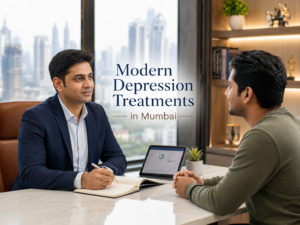
  • Comprehensive Guide on Modern Depression Treatments

    Psychiatrist In Mumbai Discussing Depression Treatment Details with a patient
    Psychiatrist Discussing Depression Treatment with Patient

    [Hook β€” start with a relatable scenario or statistic about mental health in Mumbai/India]

    What is [Topic]?

    [300 words β€” comprehensive definition, prevalence in India, why it matters]

    Types of [Topic]

    Type 1

    [Description]

    Type 2

    [Description]

    Type 3

    [Description]

    Symptoms to Watch For

    • Symptom 1
    • Symptom 2
    • Symptom 3
    • Symptom 4
    • Symptom 5

    Causes & Risk Factors

    [200 words]

    How is it Diagnosed?

    [150 words β€” what happens in a psychiatric evaluation]

    Treatment Options

    Psychotherapy

    [CBT, DBT, IPT β€” explain each briefly]

    Medication

    [Types of medication, reassure about non-addiction]

    Lifestyle & Self-Care

    [Sleep, exercise, diet, mindfulness]

    Living with [Topic] in Mumbai

    [100 words β€” challenges specific to Mumbai lifestyle, fast pace, commute stress]

    How Dr. Pavan Sonar Can Help

    With 22+ years of experience, Dr. Pavan Sonar (DNB, DPM Psychiatry) has helped thousands of patients across Mumbai manage and recover from [topic]. His approach combines evidence-based treatment with compassion and confidentiality.

    πŸ“ž +91 85918 40141
    🌐 bestpsychiatristmumbai.com

    Frequently Asked Questions

    Q1?

    Answer 1

    Q2?

    Answer 2

    Q3?

    Answer 3

    Q4?

    Answer 4

    Q5?

    Answer 5

    Conclusion

    [Summary β€” 100 words β€” reinforce that help is available, early intervention matters, CTA to book]

  • What Is Depression? Causes, Symptoms & Treatment Options

    Depression is one of the most common yet misunderstood mental health conditions in the world. It affects millions of people across all age groups, backgrounds, and walks of life β€” including right here in Mumbai and across Maharashtra. Despite how widespread it is, many people continue to suffer in silence, either not recognising the signs or feeling too ashamed to seek help.

    In this blog, we break down what depression really is, what causes it, how to recognise its symptoms, and most importantly β€” how it is treated. If you or someone you love is struggling, understanding depression is the first step toward recovery.

    What Is Depression?

    Depression (also known as Major Depressive Disorder or MDD) is a serious medical condition that causes persistent feelings of sadness, emptiness, and loss of interest in activities that were once enjoyable. It is far more than just “feeling sad” or “having a bad day” β€” depression is a prolonged state that affects how a person thinks, feels, and functions in daily life.

    According to the World Health Organization (WHO), depression is a leading cause of disability worldwide. In India, studies suggest that over 56 million people suffer from depression, yet the majority do not receive any treatment due to stigma and lack of awareness.

    Types of Depression

    Depression is not a one-size-fits-all condition. It presents in several forms, each with distinct features:

    1. Major Depressive Disorder (MDD)

    The most common form, characterised by episodes of intense sadness, hopelessness, and loss of interest lasting two weeks or more. It significantly interferes with work, relationships, and everyday functioning.

    2. Persistent Depressive Disorder (Dysthymia)

    A chronic, low-grade form of depression that lasts for at least two years. Symptoms are less severe than MDD but can be equally disabling over time because they are so long-lasting.

    3. Bipolar Depression

    People with bipolar disorder experience episodes of depression alternating with periods of mania or elevated mood. Treating bipolar depression requires a different approach than treating standard MDD.

    4. Postpartum Depression

    Affecting many new mothers (and sometimes fathers) after childbirth, postpartum depression goes beyond the “baby blues.” It involves prolonged sadness, exhaustion, anxiety, and difficulty bonding with the newborn.

    5. Seasonal Affective Disorder (SAD)

    A type of depression linked to seasonal changes β€” most commonly occurring during winter months when sunlight exposure is reduced. While less common in tropical countries like India, it does occur.

    6. Psychotic Depression

    A severe form where depression is accompanied by psychotic symptoms such as hallucinations (hearing or seeing things that are not there) or delusions (false beliefs). This requires urgent psychiatric care.

    Common Causes of Depression

    Depression does not have a single cause β€” it typically results from a combination of biological, psychological, and social factors:

    • Brain chemistry imbalance: Disruptions in neurotransmitters like serotonin, dopamine, and norepinephrine play a key role in depressive disorders.
    • Genetics: A family history of depression increases the risk significantly. Depression can run in families, though it is not inevitable.
    • Trauma and life events: Loss of a loved one, divorce, job loss, financial stress, abuse, or childhood trauma can trigger depressive episodes.
    • Chronic illness: Conditions like diabetes, heart disease, thyroid disorders, and chronic pain are closely linked to depression.
    • Substance abuse: Alcohol and drug misuse can both trigger and worsen depression.
    • Hormonal changes: Significant hormonal shifts during puberty, pregnancy, postpartum, or menopause can contribute to depression.
    • Social isolation and loneliness: Lack of social support, loneliness, and strained relationships are major risk factors.

    Signs and Symptoms of Depression

    Recognising depression early is crucial for timely treatment. The symptoms can vary from person to person, but common signs include:

    Emotional Symptoms

    • Persistent sadness, emptiness, or hopelessness
    • Loss of interest or pleasure in activities once enjoyed (anhedonia)
    • Feelings of worthlessness or excessive guilt
    • Irritability, frustration, or restlessness
    • Difficulty concentrating, remembering, or making decisions
    • Thoughts of death or suicide

    Physical Symptoms

    • Persistent fatigue and low energy
    • Changes in sleep β€” insomnia or sleeping too much
    • Changes in appetite β€” eating too little or too much, leading to weight loss or gain
    • Unexplained aches, pains, or digestive problems
    • Slowed movement or speech

    Important: If symptoms persist for more than two weeks and interfere with daily life, it is essential to seek help from a qualified psychiatrist.

    How Is Depression Diagnosed?

    There is no blood test or scan that diagnoses depression. A trained psychiatrist diagnoses depression through a comprehensive clinical evaluation, which includes:

    • A detailed discussion of symptoms and their duration
    • Personal and family mental health history
    • Physical examination to rule out medical causes
    • Standardised questionnaires such as the PHQ-9 (Patient Health Questionnaire)

    Early diagnosis leads to earlier treatment and a significantly better outcome.

    How Is Depression Treated?

    The good news is that depression is highly treatable. With the right combination of treatments, the vast majority of people with depression significantly improve and go on to live fulfilling lives. Treatment is tailored to the individual and may include one or more of the following approaches:

    1. Medications (Antidepressants)

    Antidepressant medications are often the first line of treatment for moderate to severe depression. They work by balancing brain chemicals involved in mood regulation. Common classes include:

    • SSRIs (Selective Serotonin Reuptake Inhibitors): Such as fluoxetine, sertraline, and escitalopram β€” the most commonly prescribed antidepressants, known for their effectiveness and relatively mild side effect profile.
    • SNRIs (Serotonin-Norepinephrine Reuptake Inhibitors): Such as venlafaxine and duloxetine β€” particularly effective for depression accompanied by anxiety or chronic pain.
    • TCAs (Tricyclic Antidepressants) and MAOIs: Older classes of antidepressants, used when newer medications are not effective.

    Medications typically take 2 to 6 weeks to show full effect. It is vital never to stop medication abruptly β€” always consult your psychiatrist before making any changes.

    2. Psychotherapy (Talk Therapy)

    Psychotherapy β€” often used alongside medication β€” is one of the most effective treatments for depression. The most evidence-based forms include:

    • Cognitive Behavioural Therapy (CBT): Helps identify and change negative thought patterns and behaviours that fuel depression. CBT is one of the most researched and effective therapies for depression.
    • Interpersonal Therapy (IPT): Focuses on improving relationships and communication patterns, particularly useful when depression is linked to grief, conflict, or life transitions.
    • Behavioural Activation Therapy: Encourages re-engagement with enjoyable and meaningful activities to counteract the withdrawal that depression causes.
    • Mindfulness-Based Cognitive Therapy (MBCT): Combines mindfulness practices with cognitive therapy techniques, particularly effective for preventing relapse in recurrent depression.

    3. Lifestyle Changes

    Lifestyle modifications play a powerful supporting role in managing and recovering from depression:

    • Regular physical exercise: Even 30 minutes of moderate exercise most days has been shown to reduce depressive symptoms significantly by releasing endorphins and promoting neuroplasticity.
    • Healthy sleep habits: Maintaining a regular sleep schedule, avoiding screens before bed, and creating a restful sleep environment.
    • Balanced nutrition: A diet rich in whole grains, fruits, vegetables, lean protein, and omega-3 fatty acids supports brain health and mood stability.
    • Social connection: Staying connected with supportive family and friends, joining support groups, or even volunteering can reduce feelings of isolation.
    • Avoiding alcohol and drugs: Substance use worsens depression and interferes with treatment.

    4. Electroconvulsive Therapy (ECT)

    ECT is a safe, highly effective medical treatment for severe, treatment-resistant depression β€” particularly when rapid improvement is needed (e.g., when there is a risk of suicide or the person cannot eat or care for themselves). Modern ECT is performed under general anaesthesia and is very different from its historical portrayal. It remains one of the most effective treatments available for severe depression.

    5. Transcranial Magnetic Stimulation (TMS)

    TMS is a non-invasive procedure that uses magnetic fields to stimulate nerve cells in the brain. It is used for treatment-resistant depression when medications and therapy have not been effective. TMS does not require anaesthesia and has a good safety profile.

    6. Hospitalisation or Intensive Care

    In cases where depression is severe and there is a risk of self-harm or suicide, inpatient psychiatric care may be recommended. This provides a safe, structured environment where intensive treatment can be administered.

    Depression Is Treatable β€” You Don’t Have to Suffer Alone

    One of the most important things to understand about depression is that it is not a sign of weakness. It is not something you can simply “snap out of” or “think your way through.” Depression is a medical condition β€” just like diabetes or hypertension β€” and it requires proper medical treatment.

    With timely intervention, the right medication, appropriate therapy, and a supportive environment, the vast majority of people with depression recover and go on to lead healthy, productive, and happy lives.

    When to See a Psychiatrist in Mumbai

    You should seek professional help if you or someone you know:

    • Has been feeling persistently sad, empty, or hopeless for more than two weeks
    • Has lost interest in activities they once enjoyed
    • Is struggling to function at work, school, or in relationships
    • Is having thoughts of self-harm or suicide
    • Is using alcohol or substances to cope with their emotions

    Dr. Pavan Sonar is a leading psychiatrist in Mumbai with over 22 years of experience treating depression, anxiety, bipolar disorder, and a wide range of other mental health conditions. With clinics across Borivali West, Malad West, Andheri West, and Malad East, expert psychiatric care is accessible across Mumbai.

    Don’t wait. If you or a loved one is struggling with depression, book a consultation today and take the first step toward a healthier, happier life.

  • OCD in India β€” Why Obsessive Compulsive Disorder Goes Unrecognised in Mumbai

    OCD in India β€” Why It Goes Unrecognised in Mumbai & What to Do About It

    Obsessive Compulsive Disorder (OCD) affects approximately 2–3% of the Indian population β€” meaning there are likely over 3 million people with OCD in Maharashtra alone. Yet OCD remains dramatically underdiagnosed and undertreated in India. People with OCD in Mumbai often suffer for years β€” sometimes decades β€” before receiving an accurate diagnosis and effective treatment. Here is why, and what to do about it.

    Why OCD is Misunderstood in India

    • The “cleanliness” misconception β€” Most Indians (and many doctors) associate OCD only with excessive hand washing or cleaning. In reality, OCD presents in many forms β€” intrusive thoughts about religion, harm, sex, contamination, symmetry and “just right” feelings that have nothing to do with cleanliness.
    • Religious obsessions are especially common in India β€” Scrupulosity (OCD focused on religious fears, sinning, blasphemy) is particularly prevalent in the Indian context but often attributed to genuine religious concern rather than OCD.
    • Shame and secrecy β€” OCD intrusive thoughts are ego-dystonic (feel alien and horrifying to the person). People are often too ashamed to reveal thoughts about harming loved ones or sexual themes β€” and so they hide their OCD for years.
    • Misdiagnosis β€” OCD is frequently misdiagnosed as anxiety, depression or psychosis in Indian clinical settings where OCD-specific training is limited.

    Forms of OCD Commonly Seen in Mumbai

    • Contamination OCD β€” fear of germs, pollution, illness; excessive washing, avoidance of touching surfaces
    • Checking OCD β€” compulsively checking locks, gas, appliances; reassurance-seeking from family members
    • Harm OCD β€” intrusive thoughts about harming family members (completely unrelated to actual desire to harm)
    • Religious/Scrupulosity OCD β€” intrusive blasphemous thoughts during prayer; excessive religious rituals
    • Pure O (Purely Obsessional) β€” OCD without visible compulsions; mental rituals and reassurance-seeking
    • Relationship OCD (ROCD) β€” constant doubt about whether partner is the right one; obsessive checking of feelings

    The Gold-Standard Treatment for OCD in Mumbai

    Exposure and Response Prevention (ERP) is the most effective treatment for OCD β€” with 60–85% of patients achieving significant, lasting improvement. ERP involves gradual, systematic exposure to feared situations or thoughts, while resisting the compulsion to perform rituals. This retrains the brain’s fear response. ERP requires a trained OCD specialist and can feel challenging β€” but it is transformative. Combined with SRI medication (clomipramine, fluoxetine, fluvoxamine), outcomes are even better.

  • Anxiety and Panic Attacks on Mumbai Local Trains β€” Causes, Symptoms & Treatment

    Anxiety and Panic Attacks on Mumbai Local Trains β€” Causes, Symptoms & Treatment

    If you experience intense anxiety, breathlessness, racing heart or panic attacks on Mumbai’s local trains, you are far from alone. Millions of Mumbaikars travel daily on one of the world’s most congested rail networks β€” and for a significant number, this triggers or worsens anxiety disorders. This article explains why it happens, how to manage it, and when to seek professional help.

    Why Mumbai Local Trains Trigger Anxiety and Panic

    • Extreme crowding β€” Mumbai locals carry 3–5 times their official capacity during peak hours, triggering claustrophobia and fight-or-flight responses
    • Loss of control β€” being trapped in a moving, crowded space with no easy exit is a powerful anxiety trigger
    • Heat and poor air circulation β€” physical discomfort intensifies physical anxiety symptoms like breathlessness and sweating
    • Noise and sensory overload β€” the cacophony of voices, doors and tracks can overwhelm sensitive individuals
    • Conditioned response β€” if you have had a panic attack on a train before, your brain can create a conditioned fear response to train travel itself

    Symptoms of Panic Attack on a Mumbai Train

    • Racing or pounding heart (palpitations)
    • Shortness of breath or feeling unable to breathe
    • Chest tightness or pain
    • Dizziness, lightheadedness or feeling faint
    • Sweating and trembling
    • Intense fear of dying or losing control
    • Urge to escape the train immediately

    Immediate Strategies to Manage Anxiety on the Train

    Controlled Breathing (4-7-8 Technique)

    Breathe in through your nose for 4 counts, hold for 7 counts, then exhale slowly through your mouth for 8 counts. This activates the parasympathetic nervous system, directly countering the fight-or-flight response. Repeat 3–4 times.

    Grounding (5-4-3-2-1 Technique)

    Name 5 things you can see, 4 you can physically feel, 3 you can hear, 2 you can smell, 1 you can taste. This technique interrupts the panic spiral by directing attention to the present moment.

    Accept Rather Than Fight the Panic

    Paradoxically, fighting panic makes it worse. Try to observe the sensations without judgement β€” “I notice my heart is racing. This is anxiety. It will pass.” Panic attacks peak within 10 minutes and always subside. Reminding yourself of this removes the added fear of the panic itself.

    Long-Term Treatment for Travel Anxiety in Mumbai

    If train anxiety is significantly impacting your daily life β€” causing you to avoid trains, arrive late, or dread commuting β€” it is time to seek professional help. This is treatable. CBT with exposure therapy specifically targets travel anxiety and agoraphobia with excellent results (70–90% success rate). A Mumbai psychologist can work with you on a graded exposure programme to gradually reintroduce train travel in a controlled, manageable way.

  • ADHD in Adults in India β€” Signs, Diagnosis & Treatment in Mumbai

    ADHD in Adults in India β€” Signs, Diagnosis & Treatment in Mumbai

    Adult ADHD (Attention Deficit Hyperactivity Disorder) is one of the most under-diagnosed conditions in India. While ADHD is increasingly recognised in children, many adults in Mumbai continue to struggle for years β€” with career difficulties, relationship problems, chronic disorganisation and low self-esteem β€” without ever receiving a diagnosis. This guide covers the signs of adult ADHD in the Indian context, and how to get properly diagnosed and treated in Mumbai.

    Why Adult ADHD is Missed in India

    ADHD awareness in India remains lower than in Western countries. Many adults with ADHD were high-achieving children who compensated through intelligence, hard work or family support β€” their ADHD only becoming apparent when adult demands (university, career, parenthood) exceeded their compensatory strategies. Additionally, the hyperactive presentation of ADHD is more obvious and more commonly diagnosed; the inattentive subtype β€” particularly common in women β€” is frequently missed.

    Signs of Adult ADHD β€” The Mumbai Professional’s Experience

    • Chronic lateness β€” perpetually underestimating how long tasks take; frequently late for meetings despite trying
    • Difficulty starting tasks β€” procrastinating on important work until the deadline creates enough urgency to act
    • Hyperfocus β€” paradoxically, spending hours intensely absorbed in interesting tasks while unable to focus on boring ones
    • Disorganisation β€” losing keys, phones, documents; cluttered workspace despite wanting to be organised
    • Emotional dysregulation β€” intense frustration, impatience or emotional reactions disproportionate to the trigger
    • Poor working memory β€” forgetting what was said mid-conversation; losing train of thought
    • Multiple unfinished projects β€” excited by new ideas but rarely completing them
    • Relationship difficulties β€” partners frustrated by forgetfulness, interrupting, not listening

    How is Adult ADHD Diagnosed in Mumbai?

    A proper ADHD assessment in Mumbai involves a comprehensive clinical interview with a psychiatrist or clinical psychologist; standardised ADHD rating scales (such as the Adult ADHD Self-Report Scale, Conners Adult ADHD Rating Scales); review of childhood symptoms (ADHD begins in childhood, even if not diagnosed then); ruling out other conditions that mimic ADHD (anxiety, depression, sleep disorders, thyroid issues). The assessment typically takes 60–90 minutes. If available, a brief report from a partner or parent about observed behaviour is helpful.

    ADHD Treatment for Adults in Mumbai

    • Medication β€” methylphenidate (Ritalin) is the most commonly prescribed first-line medication for ADHD in India; atomoxetine is an alternative for those who cannot tolerate stimulants. Medication is prescribed by a psychiatrist.
    • CBT for ADHD β€” targeting organisation, time management, emotional regulation, procrastination and self-esteem
    • ADHD coaching β€” practical, action-focused support for daily functioning
    • Mindfulness training β€” improving attention and reducing impulsivity
  • 10 Signs You Have Depression β€” And When to See a Psychiatrist in Mumbai

    10 Signs You Have Depression β€” And When to See a Psychiatrist in Mumbai

    Depression is one of the most common mental health conditions in India β€” yet millions of people in Mumbai and across Maharashtra continue to suffer without getting professional help. Many don’t recognise their symptoms as depression. Others feel ashamed or fear stigma. This guide helps you recognise the 10 key signs of depression and understand when it’s time to seek expert help.

    What is Depression? (Clinical Definition)

    Depression (Major Depressive Disorder) is a medical condition β€” not a character weakness or a choice. It involves changes in brain chemistry, neural pathways and hormonal systems. According to the DSM-5 diagnostic criteria, a diagnosis of depression requires at least 5 of the following symptoms present most of the day, nearly every day, for at least 2 weeks β€” and at least one of the symptoms must be either depressed mood or loss of interest.

    10 Signs of Depression to Watch For

    1. Persistent Low or Sad Mood

    Feeling sad, empty, hopeless or “numb” most of the day, nearly every day. This is more than the normal sadness or disappointment that everyone experiences β€” it is a pervasive low mood that does not lift even when positive things happen.

    2. Loss of Interest or Pleasure

    Losing interest in activities you previously enjoyed β€” hobbies, sports, socialising, movies, food. This is called anhedonia and is one of the most specific symptoms of depression. If things that used to bring joy now feel flat or pointless, this is a significant warning sign.

    3. Changes in Sleep

    Depression commonly disrupts sleep β€” either causing insomnia (difficulty falling or staying asleep, waking very early) or hypersomnia (sleeping too much but still feeling exhausted). Sleep disturbance is present in over 80% of people with depression.

    4. Changes in Appetite and Weight

    Depression can suppress appetite (leading to significant weight loss) or increase emotional eating (leading to weight gain). A change of more than 5% of body weight in a month β€” without deliberate dieting β€” can be a sign of depression.

    5. Fatigue and Low Energy

    Feeling physically exhausted even after adequate rest. Simple tasks like getting out of bed, bathing or preparing food feel like enormous efforts. This fatigue is not explained by physical illness and is a direct symptom of the depressive disorder.

    6. Difficulty Concentrating and Making Decisions

    Depression impairs cognitive function β€” making it hard to focus, remember things, or make decisions. Many patients in Mumbai describe feeling like their mind is “foggy” or slow. This can significantly impact work performance and academic results.

    7. Feelings of Worthlessness or Excessive Guilt

    A pervasive sense of being worthless, a burden to others, or a failure. Excessive guilt about past events β€” often blown out of proportion or completely irrational. These thought patterns are a symptom of depression, not an accurate reflection of reality.

    8. Psychomotor Changes

    Others can observe either psychomotor retardation (moving and speaking more slowly than usual) or psychomotor agitation (restlessness, inability to sit still, pacing). These physical changes are observable and not just feelings.

    9. Unexplained Physical Symptoms

    In Indian culture, depression often presents somatically β€” as headaches, backaches, chest tightness, digestive problems or chronic pain with no identifiable physical cause. Many patients in Mumbai visit multiple general physicians before their depression is recognised.

    10. Thoughts of Death or Suicide

    Recurrent thoughts of death, dying, or suicide β€” ranging from passive thoughts (“I wish I wasn’t here”) to active suicidal plans. If you are having suicidal thoughts, please seek help immediately. Call iCall on 9152987821 or visit your nearest emergency department.

    When to See a Psychiatrist for Depression in Mumbai

    You should see a psychiatrist for depression if: your symptoms have been present for 2 or more weeks; depression is significantly impacting your work, relationships or daily life; you have had thoughts of suicide or self-harm; you have tried therapy alone without adequate improvement; a family member has noticed significant changes in your behaviour or mood.

    Remember: depression is a medical condition, not a personal failing. Seeking help is a sign of strength. With the right treatment β€” whether medication, therapy, or both β€” the vast majority of people with depression recover fully.