Category: Doctor Insights

  • What Happens in Your First Psychiatry Appointment?

    For most people, making the decision to see a psychiatrist takes enormous courage. The stigma around mental health in India, combined with uncertainty about what to expect, means that many people who need help delay seeking it for months β€” sometimes years. One of the most common questions Dr. Pavan Sonar’s team hears is: “I’ve never seen a psychiatrist before. What will actually happen?” This guide answers that question in full, so that walking through the door feels a little less daunting.

    Before Your Appointment: Practical Preparation

    You do not need to prepare an elaborate presentation or a perfect summary of your mental health history. Psychiatrists are trained to guide the conversation. However, a few things can make your first appointment more productive:

    • Note your main symptoms: When did you start feeling this way? What does it feel like day-to-day? How is it affecting your sleep, appetite, work, and relationships?
    • List any medications you currently take, including over-the-counter medicines, vitamins, and supplements
    • Note your medical history: Any chronic illnesses (thyroid disorders, diabetes, heart conditions) that may be relevant
    • Think about family history: Has anyone in your immediate family experienced depression, anxiety, bipolar disorder, or schizophrenia?
    • Write down any questions you want to ask β€” you will not be judged for bringing a list

    Importantly: you do not need to have a crisis, a diagnosis, or certainty about what is wrong with you to see a psychiatrist. The purpose of the first appointment is precisely to begin figuring that out together.

    What Happens During the Appointment: Step by Step

    Step 1: Introduction and Context (5–10 minutes)

    The appointment begins with introductions and a brief explanation of the clinic’s approach to confidentiality. Dr. Pavan Sonar will explain that everything discussed in the room is strictly confidential unless there is an imminent risk of harm to yourself or someone else. This is important to understand upfront β€” your employer, family members, and others will not know what you share unless you explicitly choose to tell them.

    Step 2: The Chief Complaint β€” Why Are You Here Today? (10–15 minutes)

    The psychiatrist will begin by asking an open-ended question such as: “What brings you here today?” or “Tell me what’s been happening for you.” This is not a trap or a test. It is an invitation to describe your experience in your own words. You can say whatever comes naturally β€” you do not need to use clinical language or present your symptoms perfectly. The psychiatrist’s job is to listen carefully, ask clarifying questions, and help make sense of what you’re experiencing.

    Common things people say include: “I’ve been feeling very down and don’t know why”; “I can’t stop worrying”; “I haven’t been sleeping properly for months”; “I had a really difficult experience and haven’t felt right since”; “My family is concerned about me.” All of these are perfectly valid starting points.

    Step 3: History of Present Illness (15–20 minutes)

    The psychiatrist will then ask more structured questions to understand your symptoms in detail: When did they start? Was there a specific trigger or did they develop gradually? How severe are they? How do they vary through the day, week, or month? What makes them better or worse? Have you had similar episodes before? This part of the assessment follows a systematic clinical framework to ensure nothing important is missed.

    Step 4: Mental Status Examination (10 minutes)

    While you are talking, the psychiatrist is simultaneously conducting a Mental Status Examination (MSE) β€” a structured observation of your appearance, behaviour, speech, mood, thought content, thought process, perceptions, cognition, insight, and judgement. This is not a separate test you are given; it happens naturally through observation during the conversation. For example: Are you well-groomed? Is your speech slow or fast? Do you maintain eye contact? Does your thinking seem logical and organised? Are there signs of psychosis, mania, or suicidal ideation?

    Step 5: Past Psychiatric and Medical History (5–10 minutes)

    The psychiatrist will ask about any previous mental health treatment β€” including therapy, medication, hospitalisation, or self-help. They will also ask about your overall medical history, current medications, allergies, and substance use (alcohol, tobacco, cannabis, and other drugs). Be honest about this β€” psychiatrists are not there to judge your lifestyle, and accurate information is essential for safe prescribing and accurate diagnosis.

    Step 6: Personal and Family History (5–10 minutes)

    Understanding your life context is an important part of psychiatric assessment. The psychiatrist may ask about your upbringing, significant life events, relationship history, work situation, social support, and family psychiatric history. This helps identify contributing factors and tailor treatment to your specific circumstances. You are not obligated to share anything you are not ready to discuss β€” a good psychiatrist will respect your boundaries.

    Step 7: Assessment, Formulation, and Diagnosis (5–10 minutes)

    Towards the end of the appointment, the psychiatrist will share their clinical impression. They may offer a provisional diagnosis, or explain that they need more information (or further appointments) before making a definitive diagnosis. Mental health diagnoses are not always immediately clear β€” some conditions share overlapping symptoms and require time and observation to distinguish. A good psychiatrist will explain their reasoning and invite your questions.

    Step 8: Treatment Plan and Next Steps (10 minutes)

    The psychiatrist will discuss the recommended treatment approach β€” which might include psychotherapy, medication, lifestyle changes, further investigations (such as blood tests to rule out thyroid or vitamin deficiencies), or a combination. You will have the opportunity to ask questions, express preferences, and discuss concerns. Good psychiatric care is collaborative β€” you are a partner in decisions about your treatment, not a passive recipient.

    Will You Leave with a Prescription?

    Not necessarily β€” and this is worth understanding. In many cases, particularly for mild-to-moderate conditions, the first-line recommendation is psychotherapy rather than immediate medication. In other cases, medication may be recommended right away, particularly for moderate-to-severe depression, bipolar disorder, schizophrenia, or significant anxiety. Whether or not you leave with a prescription, you will leave with clarity about next steps.

    How Long Does a First Appointment Take?

    A thorough initial psychiatric assessment typically takes 45–90 minutes. Do not be alarmed by this length β€” it reflects the comprehensive nature of psychiatric evaluation. Subsequent follow-up appointments are usually shorter (15–30 minutes). At Dr. Pavan Sonar’s clinic, the first appointment is never rushed β€” taking sufficient time at the outset leads to more accurate diagnosis and more effective treatment.

    What Not to Worry About

    • “I’ll sound crazy” β€” Psychiatrists hear everything. There is nothing you can say that will shock, alarm, or judge them.
    • “They’ll lock me up” β€” Involuntary psychiatric admission is extremely rare and requires very specific criteria (imminent risk of harm). The vast majority of patients are seen in outpatient settings and go home after their appointment.
    • “They’ll tell my family or employer” β€” Psychiatric consultations are strictly confidential. Information is not shared without your explicit written consent, except in rare circumstances involving immediate risk of serious harm.
    • “I’m not ill enough to see a psychiatrist” β€” You do not need to be in crisis. If your mental health is affecting your quality of life, that is sufficient reason to seek professional support.

    Frequently Asked Questions

    Q1. Do I need a referral from a GP to see a psychiatrist in Mumbai?

    No. In India, you can directly book an appointment with a psychiatrist without a referral. Dr. Pavan Sonar’s clinic accepts direct bookings via phone, WhatsApp, or through the website.

    Q2. Can I bring someone with me?

    Yes β€” and in some cases, it is very helpful. A family member or trusted friend can provide additional history and context that you may not think to mention. However, part of the appointment should ideally be conducted with you alone, so the psychiatrist can ensure you are able to speak freely.

    Q3. What if I get emotional during the appointment?

    This is completely normal and expected. Psychiatrists are accustomed to patients crying or becoming distressed during assessments β€” it is often a sign that the conversation is touching on something important. There is no need to suppress or apologise for your emotions.

    Conclusion

    Your first psychiatry appointment is not an interrogation, a test, or a commitment to a particular treatment path. It is a professional conversation β€” guided, supportive, and confidential β€” designed to help you understand what you are experiencing and what can help. The hardest part, for most people, is making the appointment in the first place. If you are ready to take that step, Dr. Pavan Sonar’s clinic in Mumbai is here to support you. Call +91 85918 40141 or book online today.
  • Depression vs. Sadness β€” What Is the Difference?

    It is one of the most common questions Dr. Pavan Sonar hears in his clinic: “But doctor, isn’t everyone sad sometimes? How do I know if what I’m feeling is actually depression?” It is a fair and important question β€” and the answer can genuinely change the course of someone’s life.

    Sadness is a universal human emotion. Depression is a medical condition. The distinction matters enormously β€” not to dismiss anyone’s pain, but because depression requires professional treatment while sadness, though real and difficult, typically resolves on its own.

    What Is Sadness?

    Sadness is a natural, healthy emotional response to life’s difficult moments β€” loss, disappointment, failure, loneliness, or grief. It is part of the full spectrum of human feeling. Key characteristics: it is linked to a specific event or trigger; it fluctuates β€” you feel better when distracted or comforted; it does not completely rob you of your ability to function, laugh, or connect with others; and it gradually fades as time passes. You can still feel moments of pleasure even while sad.

    What Is Depression?

    Clinical depression (Major Depressive Disorder) is a medical illness involving persistent changes in brain chemistry, thought patterns, and physical functioning. According to DSM-5, a Major Depressive Episode requires five or more of the following symptoms persisting for at least two weeks, nearly every day:

    • Depressed mood most of the day (may appear as irritability in adolescents)
    • Markedly diminished interest or pleasure in almost all activities (anhedonia)
    • Significant weight loss or gain, or changes in appetite
    • Insomnia or hypersomnia (sleeping too much)
    • Fatigue or loss of energy nearly every day
    • Feelings of worthlessness or excessive guilt
    • Difficulty thinking, concentrating, or making decisions
    • Recurrent thoughts of death or suicide

    Key Differences at a Glance

    AspectSadnessDepression
    TriggerUsually a clear causeMay arise with no obvious trigger
    DurationDays to a few weeks; fades naturallyTwo+ weeks; persists or worsens
    PleasureCan still enjoy some activitiesNear-total loss of pleasure (anhedonia)
    Self-worthIntact; temporary disappointmentPervasive worthlessness or guilt
    FunctioningMostly maintainedSignificantly impaired
    Physical symptomsMinimalSleep, appetite, fatigue changes
    Response to comfortImproved by support and timeLittle or no relief from usual comforts

    The “Anhedonia” Test β€” The Most Important Distinction

    If there is one clinical marker that most reliably separates depression from sadness, it is anhedonia β€” the inability to feel pleasure from activities that previously brought joy. A sad person may not feel like going to a party, but they still enjoy their favourite food, a good film, or conversation with a close friend. A depressed person experiences a flattening of reward and pleasure that pervades nearly everything.

    Ask yourself: In the last two weeks, have there been any moments β€” even brief ones β€” where I genuinely enjoyed something? If the honest answer is consistently no, that is a clinically significant signal worth discussing with a psychiatrist.

    Grief vs. Depression: A Special Case

    Grief after the loss of a loved one can look very much like depression β€” intense sadness, crying spells, sleep disturbance, difficulty functioning. This is normal and expected. However, grief typically comes in waves; there are periods of relief, laughter, and connection interspersed with pain. In grief, self-esteem is generally preserved. When grief persists beyond six months, is accompanied by thoughts of suicide, or involves profound functional impairment, it may have transitioned into Prolonged Grief Disorder or a comorbid Major Depressive Episode β€” both of which warrant professional treatment.

    Mumbai Context: Why This Distinction Is Often Missed

    In Mumbai’s fast-paced, high-pressure culture, many people push through depressive symptoms for months β€” dismissing them as “just stress” or “normal tiredness.” The city’s relentless pace normalises exhaustion, social withdrawal, and emotional numbness in ways that can mask clinical depression. Cultural factors also play a role: in many Indian families, expressing emotional distress is still seen as weakness. This means people often wait until symptoms are severe before seeking help β€” which delays recovery.

    When Should You See a Doctor?

    • Low mood or emptiness persisting for more than two weeks
    • Loss of interest in activities you used to love
    • Difficulty functioning at work, in relationships, or in daily life
    • Significant changes in sleep or appetite
    • Thoughts of death or suicide, however fleeting
    • Using alcohol or substances to cope with how you feel

    Frequently Asked Questions

    Q1. Can sadness turn into depression?

    Yes. Prolonged, intense sadness β€” especially if left unaddressed β€” can transition into clinical depression, particularly in individuals with a biological predisposition or ongoing stressors. This is one reason it is important not to “wait it out” indefinitely if symptoms persist beyond two to three weeks.

    Q2. I feel sad but I can still go to work. Does that mean I’m not depressed?

    Not necessarily. Many people with depression maintain a degree of functioning β€” what clinicians sometimes call “high-functioning depression.” They meet obligations and appear fine to others, while internally experiencing significant distress and emptiness. The absence of total breakdown does not rule out depression.

    Q3. How is depression treated?

    Depression is highly treatable. Evidence-based treatments include Cognitive Behavioural Therapy (CBT), antidepressant medication, or a combination of both. Most patients with proper treatment experience significant improvement within 6–12 weeks. Dr. Pavan Sonar provides personalised treatment plans tailored to each patient’s needs and circumstances.

    Conclusion

    Sadness and depression are not the same thing β€” and knowing the difference can be the first step towards getting better. Sadness is a human emotion that heals with time and support. Depression is a medical condition that improves with professional treatment. If you are unsure which you are experiencing, the safest and kindest thing you can do is speak with a qualified psychiatrist. Dr. Pavan Sonar offers confidential, compassionate consultations in Mumbai and online β€” because your mental health deserves the same care as your physical health. Book an appointment today at +91 85918 40141.

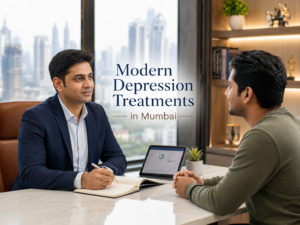
  • Comprehensive Guide on Modern Depression Treatments

    Psychiatrist In Mumbai Discussing Depression Treatment Details with a patient
    Psychiatrist Discussing Depression Treatment with Patient

    [Hook β€” start with a relatable scenario or statistic about mental health in Mumbai/India]

    What is [Topic]?

    [300 words β€” comprehensive definition, prevalence in India, why it matters]

    Types of [Topic]

    Type 1

    [Description]

    Type 2

    [Description]

    Type 3

    [Description]

    Symptoms to Watch For

    • Symptom 1
    • Symptom 2
    • Symptom 3
    • Symptom 4
    • Symptom 5

    Causes & Risk Factors

    [200 words]

    How is it Diagnosed?

    [150 words β€” what happens in a psychiatric evaluation]

    Treatment Options

    Psychotherapy

    [CBT, DBT, IPT β€” explain each briefly]

    Medication

    [Types of medication, reassure about non-addiction]

    Lifestyle & Self-Care

    [Sleep, exercise, diet, mindfulness]

    Living with [Topic] in Mumbai

    [100 words β€” challenges specific to Mumbai lifestyle, fast pace, commute stress]

    How Dr. Pavan Sonar Can Help

    With 22+ years of experience, Dr. Pavan Sonar (DNB, DPM Psychiatry) has helped thousands of patients across Mumbai manage and recover from [topic]. His approach combines evidence-based treatment with compassion and confidentiality.

    πŸ“ž +91 85918 40141
    🌐 bestpsychiatristmumbai.com

    Frequently Asked Questions

    Q1?

    Answer 1

    Q2?

    Answer 2

    Q3?

    Answer 3

    Q4?

    Answer 4

    Q5?

    Answer 5

    Conclusion

    [Summary β€” 100 words β€” reinforce that help is available, early intervention matters, CTA to book]

  • Online Therapy vs In-Person Therapy in India β€” Which is Better for You?

    Online Therapy vs In-Person Therapy in India β€” Which is Better for You?

    Online mental health care has transformed how psychiatry and therapy are delivered across India. Since 2020, millions of Indians have experienced therapy and psychiatry via video call for the first time β€” and many have chosen to continue with it even after the pandemic. But is online therapy really as good as in-person? This evidence-based guide helps you decide which is right for your situation.

    The Evidence: Is Online Therapy Effective?

    Yes β€” extensively. Over 100 randomised controlled trials now confirm that online CBT, online therapy and online psychiatry are equally effective as in-person care for the vast majority of conditions. This includes depression, anxiety disorders, panic disorder, OCD, PTSD, insomnia, relationship issues and workplace stress. Outcomes, dropout rates and patient satisfaction are comparable between formats. The evidence base for online therapy is now unambiguous.

    Advantages of Online Therapy and Psychiatry in India

    • Accessibility β€” access the best Mumbai psychiatrists from Nashik, Nagpur, Aurangabad or any Maharashtra district with internet
    • Privacy β€” no risk of being seen entering a clinic; no commute through your neighbourhood
    • Convenience β€” no Mumbai traffic, no parking, no time off work beyond the appointment itself
    • Cost β€” typically 20–30% less than in-person; no travel costs
    • Consistency β€” easier to maintain regular appointments without the barrier of travel
    • Comfort β€” being in your own familiar environment can make opening up easier

    When In-Person Therapy is Preferable

    • Severe psychiatric conditions requiring physical examination (schizophrenia, mania)
    • First-time psychiatric assessment where medication decisions need to be made
    • Situations where physical observation is clinically important (e.g. eating disorders, severe self-harm)
    • Children younger than 8 β€” play therapy and direct observation are more effective in person
    • Patients without privacy at home (living in joint families with no quiet space)
    • Patients who are not comfortable with technology

    A Hybrid Approach Works Best for Many Mumbai Patients

    Many of our patients find a hybrid model works best: first appointment in-person for a comprehensive assessment, then ongoing therapy or medication follow-up via video call. This combines the thoroughness of face-to-face assessment with the convenience of online follow-up. At our clinic, we offer both formats and make it easy to switch between them as your needs change.

  • How to Find the Best Psychiatrist in Mumbai β€” A Complete 2025 Guide

    How to Find the Best Psychiatrist in Mumbai β€” A Complete Guide

    Finding the right psychiatrist in Mumbai can feel overwhelming β€” especially when you are already struggling with a mental health condition. With thousands of doctors listed across platforms like Practo, Lybrate and JustDial, how do you know who to trust? This guide walks you through exactly what to look for, what questions to ask, and how to ensure you are seeing a properly qualified psychiatrist in Mumbai.

    Step 1: Verify Qualifications

    In India, a psychiatrist must hold: MBBS from a recognised medical university + MD Psychiatry or DPM (Diploma in Psychological Medicine). They must be registered with the Maharashtra Medical Council (MMC). You can verify any doctor’s registration on the MMC website (mahmedcouncil.com). Be cautious of anyone calling themselves a “psychiatrist” who does not hold these qualifications β€” the title is protected by law in India.

    Step 2: Check Experience and Specialisation

    Look for a psychiatrist with: at least 5 years of post-MD experience; specific experience with your condition (e.g., a psychiatrist who specialises in OCD, addiction or child psychiatry); hospital affiliation (working in or affiliated with a recognised hospital adds credibility); publications or teaching positions (these indicate engagement with current evidence).

    Step 3: Consider Location and Accessibility

    Mumbai’s traffic means location matters. A psychiatrist in Andheri is ideal if you live in the Western suburbs. For South Mumbai patients, a Dadar or Fort-area psychiatrist reduces travel time. For patients in Thane, Navi Mumbai or suburban areas, online consultation is often the most practical option β€” and is fully valid for most conditions.

    Step 4: Questions to Ask at Your First Appointment

    • “What is your experience treating [my specific condition]?”
    • “What treatment approach do you recommend for me, and why?”
    • “If you recommend medication, what are the expected effects and side effects?”
    • “Do you work with psychologists for combined treatment?”
    • “What is your policy on after-hours emergencies?”

    Red Flags to Watch For

    • Prescribing medication without a thorough assessment
    • Very short appointments (under 20 minutes for a first consultation)
    • Cannot clearly explain the diagnosis and rationale for treatment
    • Dismisses your concerns or does not listen
    • No registration verification available
    • Unverified qualifications or unlicensed practice

    What to Expect at Your First Psychiatrist Appointment in Mumbai

    A comprehensive first psychiatric assessment in Mumbai typically lasts 45–60 minutes. The psychiatrist will take a detailed history: presenting complaints, onset and duration, family psychiatric history, medical history and medications, substance use, psychosocial history (work, relationships, life events) and mental state examination. They will discuss their provisional diagnosis and treatment recommendations. You should leave with a clear plan.

  • Antidepressants in India β€” 8 Myths Busted by a Mumbai Psychiatrist

    Antidepressants in India β€” 8 Myths Busted by a Mumbai Psychiatrist

    Antidepressants are among the most effective treatments for depression, anxiety disorders, OCD and several other mental health conditions. Yet in India β€” and particularly in Mumbai β€” they are surrounded by myths, misinformation and fear that prevent many people from taking medication that could dramatically improve their quality of life. Here, our Mumbai psychiatrists debunk the most common myths about antidepressants.

    Myth 1: “Antidepressants are addictive”

    Fact: Modern antidepressants (SSRIs and SNRIs β€” the most commonly prescribed class) are not addictive. They do not cause cravings, do not require escalating doses, and do not produce euphoria. Some people experience discontinuation symptoms if they stop suddenly (dizziness, flu-like feelings) β€” but this is managed by tapering the dose slowly under medical supervision and is not the same as addiction.

    Myth 2: “Once you start, you’re on them forever”

    Fact: Most people with a first episode of depression take antidepressants for 6–12 months and then successfully taper off. The decision to continue longer depends on the number of previous episodes, severity, and personal circumstances β€” and is always a collaborative decision between patient and psychiatrist. Many patients use antidepressants for a defined period to stabilise, alongside CBT, and then come off them.

    Myth 3: “They change your personality”

    Fact: Antidepressants do not change who you are β€” they relieve the symptoms of depression or anxiety, allowing your authentic self to emerge. Many patients describe feeling “like themselves again” after starting medication. If you feel emotionally blunted or unlike yourself, discuss this with your psychiatrist β€” the dose or medication can be adjusted.

    Myth 4: “They’re just a crutch β€” you should fight depression naturally”

    Fact: You would not tell a diabetic to manage their blood sugar “naturally” without insulin. Depression involves real neurobiological changes β€” in serotonin, dopamine, neuroplasticity and brain structure. For moderate to severe depression, antidepressants may be medically necessary to restore the neurochemical balance needed for therapy to work effectively.

    Myth 5: “Antidepressants don’t work”

    Fact: For moderate to severe depression, antidepressants are significantly more effective than placebo. Meta-analyses covering 500+ trials show SSRIs reduce depressive symptoms by 50% or more in the majority of patients. Finding the right medication can take time (2–4 weeks to see effects, sometimes requiring adjustments), but they are effective for most people.

    Myth 6: “They’ll make me feel like a zombie”

    Fact: Older antidepressants (tricyclics) had more sedating effects. Modern SSRIs and SNRIs are much better tolerated. Some people do experience initial tiredness in the first 1–2 weeks, but this usually settles. If sedation persists, dose adjustment or a different medication usually resolves it.

    Myth 7: “I can stop whenever I want”

    Fact: Never stop antidepressants abruptly without medical guidance. Sudden cessation can cause discontinuation syndrome (dizziness, electric shock sensations, nausea, anxiety). Always taper under your psychiatrist’s supervision, which makes this completely manageable.

    Myth 8: “Taking antidepressants means I’m weak”

    Fact: Taking antidepressants means you are treating a medical condition appropriately. It requires courage to seek help and strength to commit to treatment. There is no weakness in treating depression any more than in treating pneumonia with antibiotics. In fact, untreated depression β€” not treatment β€” impairs functioning and strength.

  • Psychiatrist vs Psychologist in Mumbai β€” Which One Do You Need?

    Psychiatrist vs Psychologist in Mumbai β€” Which One Do You Need?

    One of the most common questions we hear from patients across Mumbai is: “Should I see a psychiatrist or a psychologist?” Both are mental health specialists, but they have different qualifications, roles and treatment approaches. Understanding the difference is the first step to getting the right help.

    What is a Psychiatrist?

    A psychiatrist is a fully qualified medical doctor β€” they have completed MBBS followed by an MD in Psychiatry or DPM (Diploma in Psychological Medicine). Because they are medical doctors, psychiatrists can prescribe psychiatric medication β€” antidepressants, mood stabilisers, antipsychotics and anti-anxiety medications. They are registered with the Maharashtra Medical Council (MMC).

    A psychiatrist is the right specialist for conditions that may require medication β€” such as severe depression, bipolar disorder, schizophrenia, severe OCD, ADHD, or when there is a significant biological component to the condition.

    What is a Psychologist?

    A clinical psychologist holds a postgraduate degree in Clinical Psychology β€” typically an M.Phil (Clinical Psychology) or PhD β€” from a UGC-recognised university. They are registered with the Rehabilitation Council of India (RCI). Psychologists do not prescribe medication in India, but they provide psychological therapies such as Cognitive Behavioural Therapy (CBT), Dialectical Behaviour Therapy (DBT), EMDR and psychodynamic therapy.

    Quick Comparison: Psychiatrist vs Psychologist in Mumbai

    FeaturePsychiatristPsychologist
    QualificationMBBS + MD Psychiatry / DPMM.Phil / PhD Clinical Psychology
    RegistrationMaharashtra Medical CouncilRehabilitation Council of India
    Can prescribe medicine?YesNo
    Provides therapy?SometimesYes β€” primary role
    Fee range (Mumbai)Rs.800–2,500 per sessionRs.800–3,000 per session
    Best forSevere conditions, medication needsTherapy, mild-moderate conditions

    When Should You See a Psychiatrist in Mumbai?

    • You are experiencing severe depression or are unable to function day-to-day
    • You have had thoughts of suicide or self-harm
    • You have experienced manic episodes, hallucinations or delusions
    • A previous doctor has recommended medication
    • Therapy alone has not been sufficient
    • You have an addiction to alcohol, drugs or other substances
    • You have a child with suspected ADHD or autism who needs a formal diagnosis

    When Should You See a Psychologist in Mumbai?

    • You want to work through anxiety, stress or relationship issues with therapy
    • You have mild to moderate depression or anxiety that has not needed medication
    • You have experienced trauma and want EMDR or trauma-focused therapy
    • You want couples counselling or family therapy
    • Your child has emotional or behavioural difficulties
    • You want to develop coping strategies for stress, burnout or life transitions

    Can I See Both a Psychiatrist and Psychologist?

    Absolutely β€” and for many conditions, this is the most effective approach. Research consistently shows that a combination of psychiatric medication and psychological therapy produces better outcomes than either alone for conditions like depression, OCD, bipolar disorder, PTSD and ADHD. At our Mumbai clinic, we offer integrated care β€” our psychiatrists and psychologists work as a team and communicate regularly about shared patients.

    How Much Does It Cost to See a Psychiatrist or Psychologist in Mumbai?

    Psychiatrist consultation fees in Mumbai typically range from Rs.800 to Rs.2,500 per session. First appointments (which involve a comprehensive assessment) may cost Rs.1,500–3,000. Psychologist and therapist fees range from Rs.800 to Rs.3,000 per hour depending on the specialist’s qualifications and experience. Online consultations are generally 20–30% more affordable.